
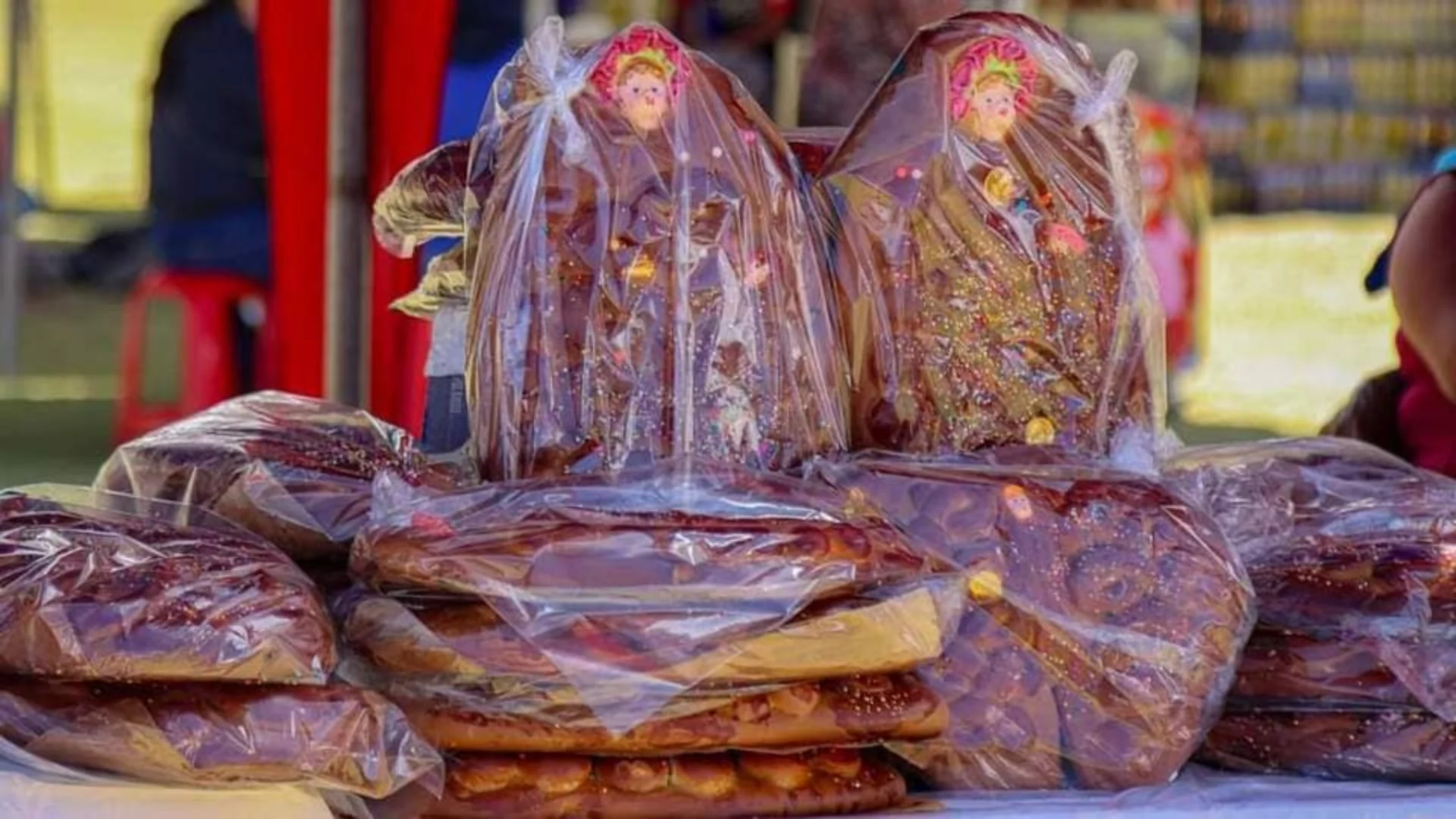
Cusco has plenty of iconic foods, but t’anta wawa feels different because it is tied to a specific season and a specific emotion. In t’anta wawa Cusco, this bread is not treated like a trendy snack. It is treated like a tradition. You will see t’anta wawas in markets and bakeries as November approaches, especially around November 1 and 2, when families gather for All Saints’ Day and All Souls’ Day season in t’anta wawa Peru.
The name itself explains a lot. In Quechua, wawa means baby and t’anta means bread. That is why pan t’anta wawa is often described as “bread baby.” But the look is only the surface. The t’anta wawa meaning comes from what it represents during this season: family connection, memory, and respect. When people ask what t’anta wawa means on All Saints’ Day, the answer is found in the way the bread is shared, gifted, displayed, and sometimes included as part of offerings in t’anta wawa Cusco.
