
Skip to content
waqrapukara-cusco-horn-shape

Waqrapukara in Cusco: The Essentials for Your First Visit

By Napoleon arcondo

Waqrapukara in Cusco, Peru is taking social media by storm with its stone horn shape. Sanctuary, fortress, or energy point? The most surprising thing is that no one knows for sure what its true function was. The only way to answer all these questions is to visit Waqrapukara yourself. You don’t need to be Spiderman to climb it. Here’s a guide with everything you need to know.

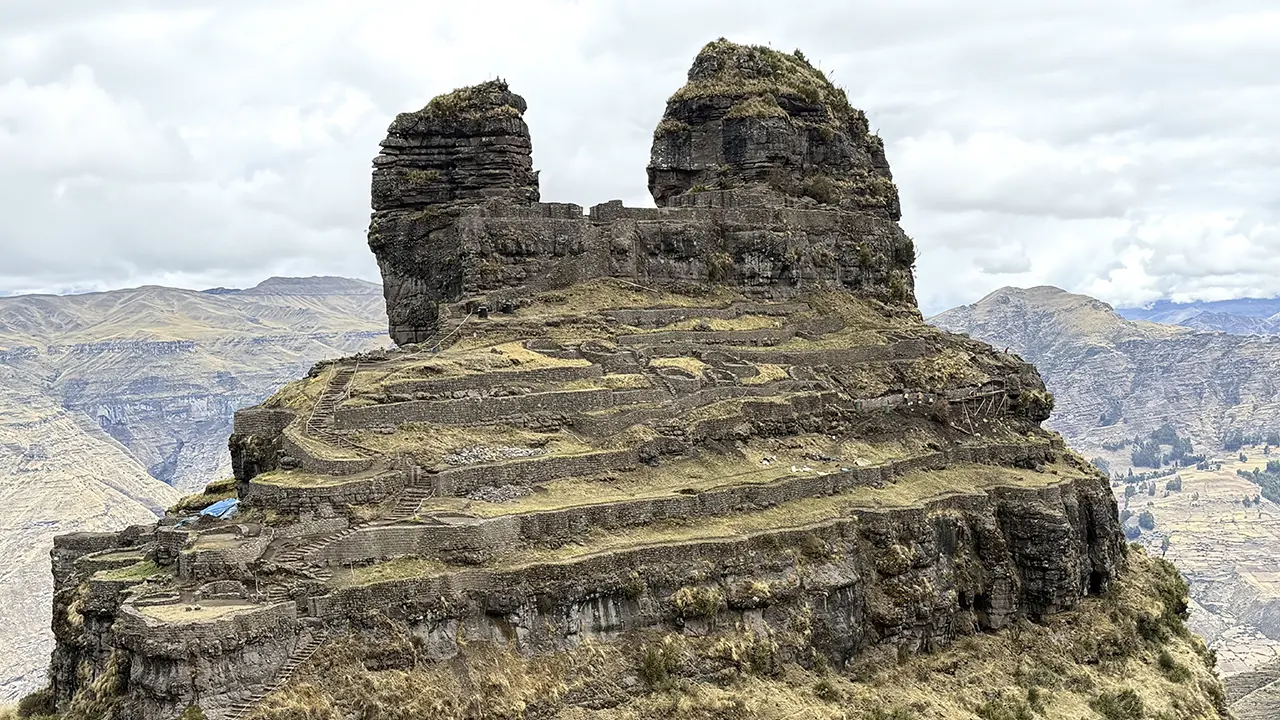
The site rises like an isolated tower with a crown of two enormous stone horns that give it its name. Waqrapukara is 4,300 meters above sea level (14107 ft), and the Inca construction rises majestically above a ravine.
waqrapukara-cusco-horn-shape

In addition, the Apurímac River canyon far below enhances the whole scene and makes it even more dramatic. If you decide to go, you will find temples, canals, terraces, and impressive stairways. You will also enjoy a hike surrounded by beautiful landscapes, and if you take a tour, you will hear legends, have adventures, and learn local information.

Most tourists prefer to go on a tour, although if you are more adventurous, you can get there on your own or even camp near the site.

Cusco is home to several archaeological sites that demonstrate the greatness and skill of the Inca civilization, and Waqrapukara confirms this. The Incas built this place as a religious sanctuary, and the fine granite stone constructions confirm this.

In addition, due to its elevated location and horn-shaped crown, it also served as a fortress. From a distance, it looks like an imposing castle.
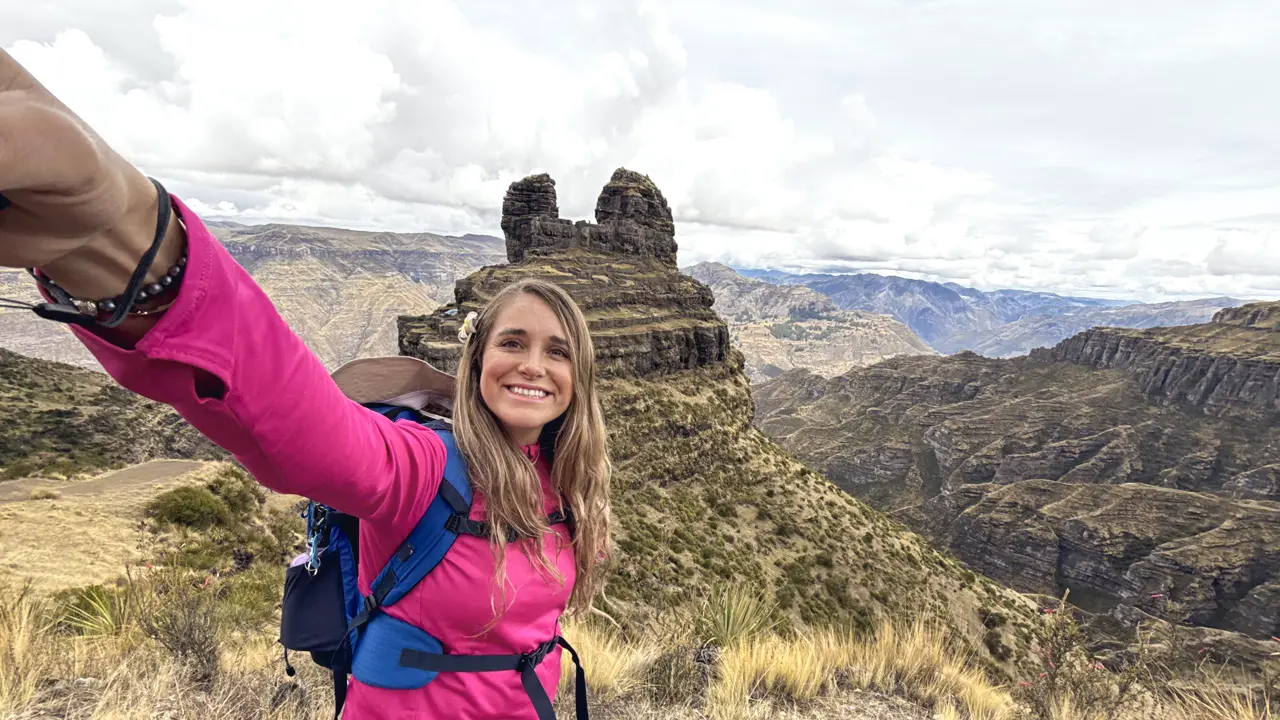
Happy tourist at Waqrapukara

Incidentally, “Waqra” means horn and “Pukará” means fortress in Quechua, which perfectly describes its shape.

As you walk there, you will travel along ancient Inca roads and discover other sites such as Tambopukara, Yactapukara, and Ayapukara. These places will make you feel like you are following an ancestral pilgrimage route, full of energy and mystery.

Today, researchers have carried out restoration and research work to preserve the site.

Cusco archaeologist Miguel Colque Enríquez commented that the true importance of Waqrapukara is not yet fully defined, which makes it even more intriguing. Despite its beauty, few tourists venture to visit it. If you go, you will have the privilege of exploring a place almost in silence, without crowds.

However, access is limited: there is only one main entrance, unless you are an expert climber. Seriously, it is a different, mystical experience that is totally yours.

[show_tours palabra=”waqrapukara”]

Napoleon arcondo

Editor in Cusco, Peru with the soul of an explorer

My name is Napoleón Arcondo. I live in Cusco and I write about what I’m passionate about: Peruvian history, education, and the reality of our country.

My work involves conducting in-depth research, verifying facts, and translating complex topics into simple, clear, and useful articles. Whether I’m exploring our cultural heritage or writing practical and informative guides about modern-day Peru, I strive to ensure that every piece is well-researched and addresses what people really need to know. I write from Cusco with the goal of sharing well-researched knowledge with readers across the country.

View all posts by Napoleon arcondo
Waqrapukara Cusco con su forma de dos cuernos

Waqrapukara en Cusco: Lo esencial para tu primera visita

By Napoleon arcondo

Waqrapukara de Cusco, Perú está invadiendo las redes sociales con su forma de cuerno de piedra. ¿Santuario, fortaleza o punto de energía? Lo más sorprendente es que nadie sabe con certeza cuál fue su verdadera función. La única forma de resolver todas esas preguntas es que tú mismo visites Waqrapukara. No necesitas ser Spiderman para escalarla. Aquí te muestro una guía con todo lo que necesitas saber.

El sitio se eleva como una torre aislada con una corona de dos enormes cuernos de piedra que le dan su nombre. Waqrapukara está a 4,300 metros sobre el nivel del mar (14,107 pies), y la construcción incaica se levanta majestuosa sobre una quebrada.

waqrapukara-cusco-horn-shape

Además, el cañón del río Apurímac que está muy por debajo realza toda la escena y la hace aún más dramática. Si decides ir, vas a encontrar templos, canales, andenes y escalinatas impresionantes. También disfrutarás de una caminata rodeada de paisajes hermosos, y si tomas un tour, tendrás leyendas, aventura e información local.

La mayoría de turistas prefiere ir en tour, aunque si eres más aventurero, puedes llegar por tu cuenta o incluso acampar cerca del sitio.

Cusco alberga varios sitios arqueológicos que demuestran la grandeza y habilidad de la civilización inca, y Waqrapukara lo confirma. Los incas construyeron este lugar como un santuario religioso, y las finas construcciones de piedra granítica lo confirman.

Además, por su ubicación en lo alto y su forma coronada por cuernos, también funcionó como fortaleza. Desde lejos, parece un formidable castillo.

Turista feliz en Waqrapukara

Por cierto, “Waqra” significa cuerno y “Pukará” fortaleza en quechua, lo cual describe perfectamente su forma.

Mientras caminas hacia allá, vas a recorrer antiguos caminos incas y descubrir otros recintos como Tambopukara, Yactapukara y Ayapukara. Estos lugares te harán sentir que estás siguiendo una ruta de peregrinación ancestral, llena de energía y misterio.

Hoy en día, los investigadores realizaron trabajos de restauración e investigación para preservar el sitio.

El arqueólogo cusqueño Miguel Colque Enríquez comentó que la verdadera importancia de Waqrapukara aún no está completamente definida, lo cual lo hace aún más intrigante. A pesar de su belleza, todavía son pocos los turistas que se animan a visitarlo. Si tú vas, tendrás el privilegio de explorar un lugar casi en silencio, sin multitudes.

Sin embargo, el acceso es limitado: solo hay una entrada principal, a menos que seas un escalador experto. En serio, es una experiencia diferente, mística y totalmente tuya.

Napoleon arcondo

Editor in Cusco, Peru with the soul of an explorer

My name is Napoleón Arcondo. I live in Cusco and I write about what I’m passionate about: Peruvian history, education, and the reality of our country.

My work involves conducting in-depth research, verifying facts, and translating complex topics into simple, clear, and useful articles. Whether I’m exploring our cultural heritage or writing practical and informative guides about modern-day Peru, I strive to ensure that every piece is well-researched and addresses what people really need to know. I write from Cusco with the goal of sharing well-researched knowledge with readers across the country.

View all posts by Napoleon arcondo